

Exercise Bikes For Sale
Ajouter un commentaire SuivreVue d'ensemble
-
Fondée Date juin 23, 1927
-
Les secteurs Aide aux besoins spéciaux
-
Offres D'Emploi 0
-
Vu 1
Description De L'Entreprise
Five Things You Didn’t Know About Exercising Bike

The Benefits and Types of Exercising Bikes: A Comprehensive Guide
Exercising bikes, frequently described as stationary bike exercise bikes or fitness bikes, have become increasingly popular in homes and health clubs worldwide. They provide a reliable exercise option that deals with different fitness levels, making them a staple in personal fitness regimes. This post will check out the types of stationary bicycle, their advantages, and ideas on picking the ideal one for your requirements, all while incorporating helpful tables, lists, and FAQs to enhance your understanding.
The Types of Exercising Bikes
Stationary bicycle been available in different designs and styles, each suited for different user choices and fitness objectives. Below is a table summarizing the main kinds of exercising bikes:
| Type of Exercise Bike | Description | Ideal For |
|---|---|---|
| Upright Bike | Resembles a conventional bicycle; user sits upright with pedals located below. | People wanting to mimic outside biking and engage core muscles. |
| Recumbent Bike | Features a reclining seat and bigger back support; pedals are positioned in front. | Users with back issues or those seeking a comfy trip. |
| Spin Bike | Created for high-intensity workouts with a heavier flywheel and adjustable resistance. | Fitness enthusiasts interested in group classes or intense training. |
| Hybrid Bike | Combines features of upright and recumbent bikes, often adjustable for user choice. | Those who enjoy variety in their workouts and need ergonomic assistance. |
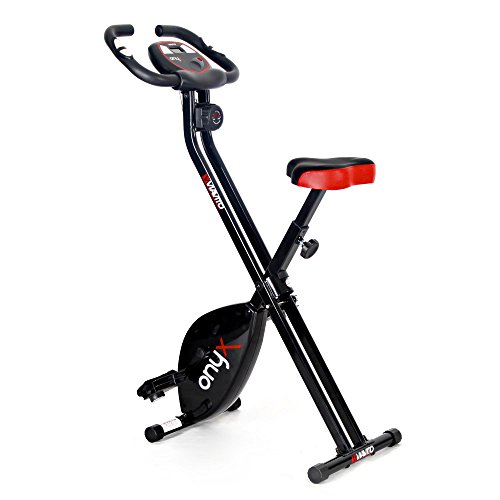
| Collapsible Bike | A compact design that can be folded for simple storage, often appropriate for little spaces. | People with minimal space seeking a hassle-free exercise option. |
Advantages of Exercising Bikes
Utilizing an exercise bike provides various health benefits that add to overall wellness. Here are some essential benefits:
-
Cardiovascular Health: Regular usage of exercise bikes boosts heart health by enhancing flow and endurance.
-
Weight reduction: Cycling assists burn calories, helping in weight management. Depending on intensity and duration, an individual can burn around 400 to 600 calories per hour on a stationary bicycle.
-
Low Impact on Joints: Unlike running or high-impact workouts, stationary bicycle provide a low-impact alternative that lowers tension on joints, making them suitable for people with arthritis or joint discomfort.
-
Benefit: exercise cycle home bikes enable a flexible workout schedule, as users can train at home Exercise equipment despite weather condition conditions.
-
Adjustable Workouts: Many exercise bikes come equipped with numerous resistance levels and workout programs, enabling users to customize their exercises according to fitness goals.
-
Improved Muscle Tone and Strength: Pedaling engages different muscle groups, including the quads, hamstrings, calves, and glutes, promoting muscle growth and toning.
Including an Exercise Bike into Your Routine
For those questioning how to successfully incorporate a stationary bicycle into their fitness strategy, consider the following suggestions:
-
Set Clear Goals: Define your fitness objectives, be it weight loss, endurance training, or rehabilitation.
-
Develop a Schedule: Dedicate specific days and times for biking exercises to develop a constant regimen.
-
Start Slowly: If new to biking, start with lower strength and gradually increase the period and resistance as fitness levels improve.
-
Mix It Up: Incorporate interval training by rotating between high-intensity bursts and lower-intensity recovery durations to challenge the body efficiently.
-
Screen Progress: Keep track of improvements in range, speed, and calories burned to keep inspiration.
Common Mistakes to Avoid
Just like any fitness program, users should be aware of common risks when using exercise cycle bike bikes:
-
Poor Posture: Improper body positioning can cause pain or injury. Ensure the seat height is changed properly, and preserve good posture while cycling.
-
Overtraining: Listen to your body and prevent extreme cycling that can cause fatigue or injury.
-
Disregarding Other Exercises: While biking is helpful, it’s vital to include strength training and flexibility workouts in total fitness strategies.
-
Neglecting Nutrition: A balanced diet is vital for reaping the full advantages of any exercise program.
Frequently Asked Questions About Exercising Bikes
1. How typically should I utilize a stationary bicycle?
For optimum health advantages, objective for a minimum of 150 minutes of moderate aerobic exercise, such as cycling, every week. This can be broken down into sessions of 30 minutes, 5 days a week.
2. Do stationary bicycle aid with weight reduction?
Yes, exercising on a bike can help burn calories and contribute to a caloric deficit necessary for weight reduction. Integrated with a healthy diet plan, it improves outcomes.
3. Are recumbent bikes easier to utilize than upright bikes?
Normally, users might find recumbent bikes more comfortable due to their support and reclined position. Nevertheless, the option depends on individual preferences and fitness goals.
4. Can I watch TV while utilizing an exercise bike?
Absolutely! Enjoying TV or listening to music can make exercises more pleasurable. Guarantee that your setup enables visibility without compromising your posture.
5. What should I do if my knees hurt while cycling?
If you experience knee pain, inspect your bike setup for proper changes, think about lowering resistance, or speak with a physician if discomfort continues.
Exercise bikes offer a versatile and effective method to enhance cardiovascular fitness, burn calories, and stay active. With a range of types and appropriate exercise strategies, anyone can find an exercise bike that fits their lifestyle and requirements. Whether used in a gym or in the house, they provide an excellent choice for preserving a healthy lifestyle, accommodating various fitness levels, and integrating quickly into everyday regimens.
